Nurturing Your Mind: Effective Strategies for Stress Reduction and Enhanced Mental Well-being
In our fast-paced world, managing stress and prioritizing mental health is essential for overall well-being. A combination of lifestyle adjustments, mindfulness practices, and relaxation techniques can significantly improve your ability to navigate challenges and cultivate a sense of inner peace. Here’s a guide to help you on your journey to a healthier mind.
Nurturing Your Mind: Effective Strategies for Stress Reduction and Enhanced Mental Well-being
In our fast-paced world, managing stress and prioritizing mental health is essential for overall well-being. A combination of lifestyle adjustments, mindfulness practices, and relaxation techniques can significantly improve your ability to navigate challenges and cultivate a sense of inner peace. Here’s a guide to help you on your journey to a healthier mind.
Lifestyle Adjustments for a Healthier Mind
Simple changes to your daily routine can have a profound impact on your mental health.
- Embrace Physical Activity: Regular exercise is a powerful stress reliever. Engaging in activities like walking, jogging, yoga, or dancing releases endorphins, which have mood-boosting effects. Aim for at least 30 minutes of moderate-intensity exercise most days of the week.
- Nourish Your Body and Mind: A balanced diet rich in fruits, vegetables, whole grains, and lean proteins provides the essential nutrients your brain needs to function optimally. Limit your intake of processed foods, excessive sugar, and caffeine, which can negatively impact your mood and energy levels.
- Prioritize Sleep: Quality sleep is crucial for emotional regulation and cognitive function. Aim for 7-9 hours of restful sleep per night. Establish a regular sleep schedule, create a relaxing bedtime routine, and avoid stimulants like caffeine and electronic devices before bed.
- Connect with Nature: Spending time in nature has been shown to reduce stress, anxiety, and depression. Take a walk in a park, go for a hike, or simply sit in a green space to experience the calming effects of the natural world.
- Foster Social Connections: Strong social support is a vital buffer against stress. Make time for friends and family, join a club or group with similar interests, or volunteer for a cause you care about.
Mindfulness and Relaxation Techniques
These practices can help you calm your mind, reduce anxiety, and cultivate a greater sense of awareness.
- Mindful Breathing: This simple yet powerful technique involves focusing on your breath as it enters and leaves your body. When your mind wanders, gently bring your attention back to your breath. This can be done anywhere, at any time, to help you feel more grounded and centered.
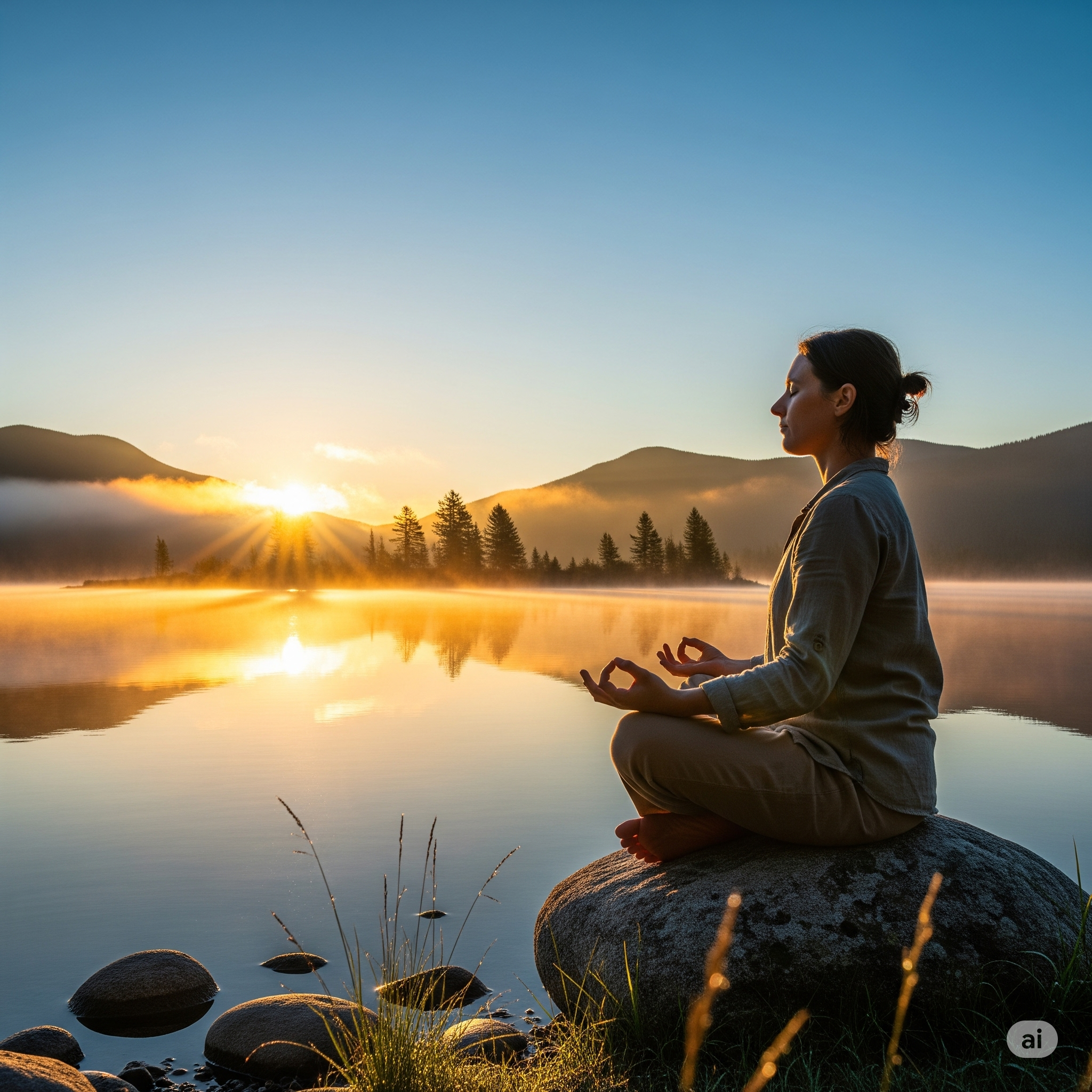
- Meditation: There are many forms of meditation, including guided meditation, mindfulness meditation, and loving-kindness meditation. Regular meditation practice can help reduce stress, improve focus, and promote emotional well-being. There are many apps and online resources available to guide you.
- Progressive Muscle Relaxation: This technique involves tensing and then relaxing different muscle groups in your body. This practice helps you become more aware of physical tension and learn to release it, promoting a sense of deep relaxation.
- Yoga and Tai Chi: These mind-body practices combine physical postures, breathing exercises, and meditation to reduce stress and improve flexibility, balance, and overall well-being.
- Journaling: Writing down your thoughts and feelings can be a helpful way to process emotions, identify stressors, and gain a fresh perspective on challenging situations.
Cultivating Healthy Habits
- Set Boundaries: Learning to say “no” to unnecessary commitments can help you avoid feeling overwhelmed and reduce stress.
- Engage in Hobbies: Make time for activities you enjoy, whether it’s reading, painting, playing music, or gardening. Hobbies provide a sense of accomplishment and a welcome distraction from daily stressors.
- Practice Gratitude: Regularly acknowledging the good things in your life can shift your focus from negative to positive, improving your overall outlook.
- Seek Professional Help: If you’re struggling to manage stress or are experiencing persistent mental health challenges, don’t hesitate to reach out to a therapist or counselor. They can provide you with tools and support to navigate difficult times.
By incorporating these strategies into your life, you can effectively reduce stress, enhance your mental well-being, and cultivate a greater sense of resilience and joy. Remember that taking care of your mental health is an ongoing journey, so be patient and compassionate with yourself as you explore what works best for you.